LA Indigenous Peoples Day is a city-recognized observance in Los Angeles that honors the Native peoples of this land, past and present, on the second Monday of October, the same day once marked solely as Columbus Day. In 2019, the Los Angeles City Council voted to replace the older holiday, shifting the spotlight from a colonial narrative to the living cultures, languages, and histories of Indigenous nations. The region is the ancestral homeland of the Tongva, Chumash, and Tataviam peoples, and the day exists to say plainly that they were here first and are still here.
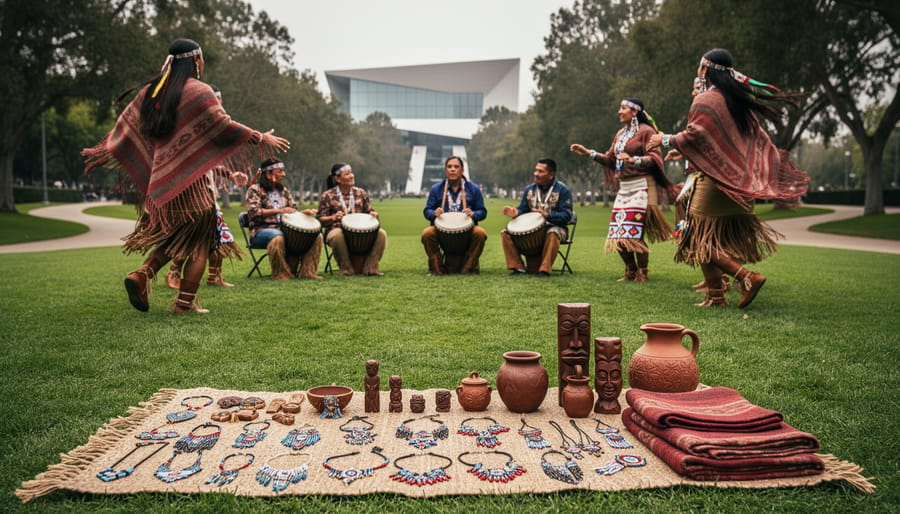
Celebrations tend to center on community. Think drum circles, traditional dance, storytelling, craft markets, Native-owned food, and educational talks held in parks, museums, and cultural centers. Many gatherings are free and open to everyone, and the best way to join is to arrive with curiosity, listen more than you talk, and support Native artists and vendors directly. Because dates, venues, and programs change from year to year, always check official city and tribal sources for the current schedule.
The same spirit runs through Indigenous communities far beyond California. In British Columbia, First Nations hosts share their stories, from cedar carving to the legends that shaped the coastline, through guided tours and cultural experiences that treat sustainability as a way of life, not a trend. Understanding this day in LA is a thoughtful first step toward traveling there with respect.
What Indigenous Peoples Day Means in Los Angeles
The Original Peoples of the Los Angeles Basin
The Los Angeles basin has been home to people for thousands of years, and it still is. The Tongva, also known as the Gabrielino, are the Indigenous people of this region. The second name came from the Spanish mission at San Gabriel, which is a reminder that outsiders have often named the Tongva rather than letting them name themselves. Their homeland stretches across the basin, the San Gabriel Valley and the southern Channel Islands, where villages once sat beside rivers, coastlines and oak-studded foothills.
Neighboring nations share this broader landscape. The Chumash live to the north and west along the coast, and the Tataviam, Serrano and Acjachemen (Juaneño) peoples also hold deep ties to nearby lands. Each has its own language, stories and traditions, so it helps to think of many nations rather than one single culture.
Just as important, these communities are living cultures, not chapters in a history book. Tongva people today are teachers, artists, language keepers, elders and organizers who carry traditions forward and take part in events like Indigenous Peoples Day. Many work to revive ancestral languages and care for the land the way their families always have. Learning who they are is a respectful first step toward honoring the day.
Why the Day Matters Beyond a Calendar Date
Indigenous Peoples Day is more than a date on the calendar. It’s a moment of recognition, when communities pause to acknowledge the first peoples of this land, and it’s also a chance to learn something new and share in community pride. Across North America, similar conversations are happening about how to honor Indigenous history with accuracy and respect. If you’re new to these ideas, our guide to essential Indigenous facts is a helpful starting point.
A few terms come up often, so here’s a short glossary:
- Indigenous
- A broad term for the original peoples of a land and their descendants.
- Aboriginal
- A term used in Canada for First Nations, Inuit and Métis peoples.
- First Nations
- The term used in Canada for Indigenous peoples who are not Inuit or Métis.
- Land acknowledgment
- A statement recognizing the Indigenous peoples connected to a place.
- Powwow
- A gathering with dance, song and community, held by many Indigenous nations.
Learning these words helps you listen more closely and join in with care.
How the Day Comes to Life: How Celebrations Work
Indigenous Peoples Day in Los Angeles doesn’t run on a single script. It comes together through many hands, and that’s part of its strength.
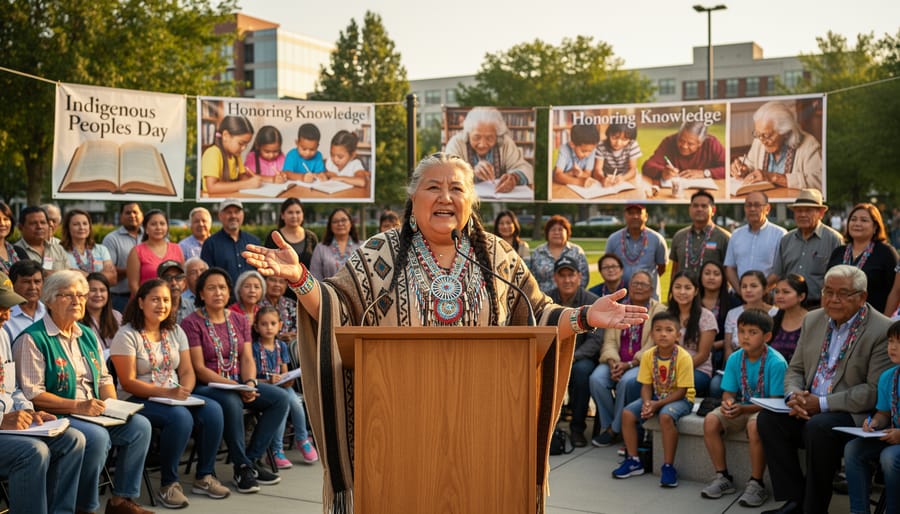
Most gatherings are shaped by Indigenous-led organizations, community members, and cultural centers, often working alongside civic institutions such as city and county offices, libraries, museums, and universities. The people who hold the knowledge lead the program. Civic partners typically help with permits, space, and outreach, but the cultural direction belongs to the Native community.
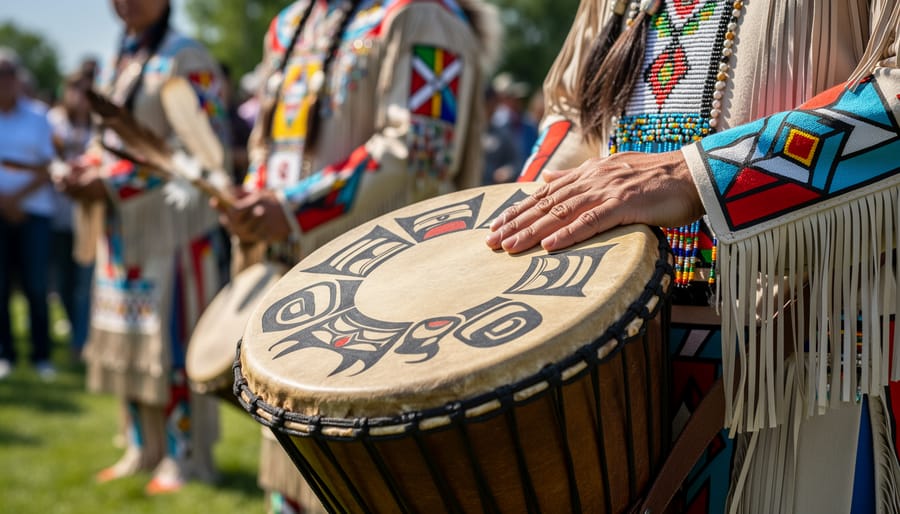
A typical celebration often opens with a welcome or blessing from a local Indigenous elder or knowledge keeper. Songs and drumming may follow, along with dance, storytelling, and speakers who share history or current community work. Around the main program, you’ll often find art and craft tables, food, and informational booths from Native organizations. Some events are quiet and reflective. Others feel like a festival. Many are free, though that varies.
If you attend, a few simple habits go a long way:
– Listen first. When someone is speaking, singing, or praying, give them your full attention and keep phones quiet.
– Ask before photographing. Some songs, dances, and ceremonies are not meant to be recorded. A quick, respectful question is always welcome, and a “no” is simply honored.
– Follow the lead of the hosts. If you’re invited to join a social dance, join in. If you’re asked to observe, stay seated.
– Support Indigenous-owned vendors. Buying directly from Native artists and food makers keeps your money in the community, and it’s one of the most practical ways to show appreciation.
– Come with curiosity, not assumptions. Nations have distinct traditions, so ask questions rather than generalizing.
Because dates, locations, and programs change from year to year, it’s best not to rely on a fixed schedule or an old listing. For current details, start with official sources. The City and County of Los Angeles publish civic event information, and local tribal government websites and social channels share what their communities are hosting. Indigenous-led cultural centers and organizations are another reliable place to look, as are museums and universities that partner with Native communities. Checking two or three of these close to the day itself will give you the most accurate picture of where to go and how to take part.
Types of Celebrations and What You Might Experience
No two Indigenous Peoples Day gatherings look exactly alike, and that’s the point. Los Angeles is home to people from hundreds of nations, each with its own languages, songs and customs, so what you experience depends on who is hosting. Instead of one “Indigenous culture,” you’ll find many living ones, shared by the people who carry them.
Still, certain elements tend to appear again and again:
- Ceremony and blessings: an opening prayer, smudging or welcome that sets a respectful tone for the gathering.
- Music and dance: drum groups, powwow-style dancing, traditional songs and contemporary performances, from hip-hop to folk.
- Storytelling: elders and knowledge keepers sharing legends, histories and teachings.
- Art and craft markets: handmade beadwork, jewelry, baskets, prints and clothing sold by Indigenous artists.
- Indigenous foods: dishes and drinks rooted in the plants, seeds and traditions of particular regions.
- Youth and educational programs: hands-on workshops, language lessons and school activities for younger audiences.
- Talks and panels: conversations on history, land, language revitalization and community leadership.
Each of these is worth slowing down for. A song may carry family history. A woven basket may reflect techniques passed down for generations. If the food sparks your curiosity, the story behind the menu is just as rich, and our look at Indigenous food history shows how deeply cuisine is tied to place and survival.
Storytelling is often the heart of the day. Many Indigenous peoples share teachings about how humans should live alongside the natural world. Among Coast Salish peoples, for example, stories commonly describe the Creator’s gifts of salmon, cedar and water as relatives to be respected rather than resources to be used up. Versions differ from nation to nation, and the best way to hear them is from the storytellers themselves, in their own words and on their own terms.
Be curious and ask questions when invited. Listen first, and always check before taking photos or recordings, especially during ceremony. Buying directly from Indigenous artists and food vendors keeps your support in the community, which is the spirit of the day.
How Indigenous Peoples Day Is Used to Educate, Connect and Support Communities
Indigenous Peoples Day does its best work when it moves beyond a single afternoon and becomes a tool for learning, connection and support. In Los Angeles, schools and museums often use the day as a prompt to teach local Indigenous history from Indigenous perspectives, so students hear about living nations rather than a distant past. Teachers, librarians and curators lean on Indigenous speakers, artists and knowledge keepers to shape that learning.
The day also supports cultural revitalization. Language lessons, song circles and craft workshops give younger generations a chance to carry traditions forward, while elders share what they’ve kept alive. Many communities see this as part of a wider approach to food and culture wellness where traditional foods, ceremony and community ties nourish people in body and spirit.
Visitors can make a practical difference too. Buying directly from Indigenous artists, booksellers and food vendors keeps money in Indigenous hands, and it’s a simple way to turn goodwill into support. Gatherings also build bridges between neighbors, from tribal members to city agencies to local families, laying groundwork for longer partnerships.
Underneath it all runs a thread of stewardship. Many Indigenous teachings describe land as a relative to be cared for, not a resource to be used up. The guiding question is often how today’s choices will affect the seventh generation to come. That idea of caring for place so it can sustain people long into the future offers a gentle, useful lens for how all of us can live and travel.
From Los Angeles to British Columbia: Carrying the Spirit Into Your Travels
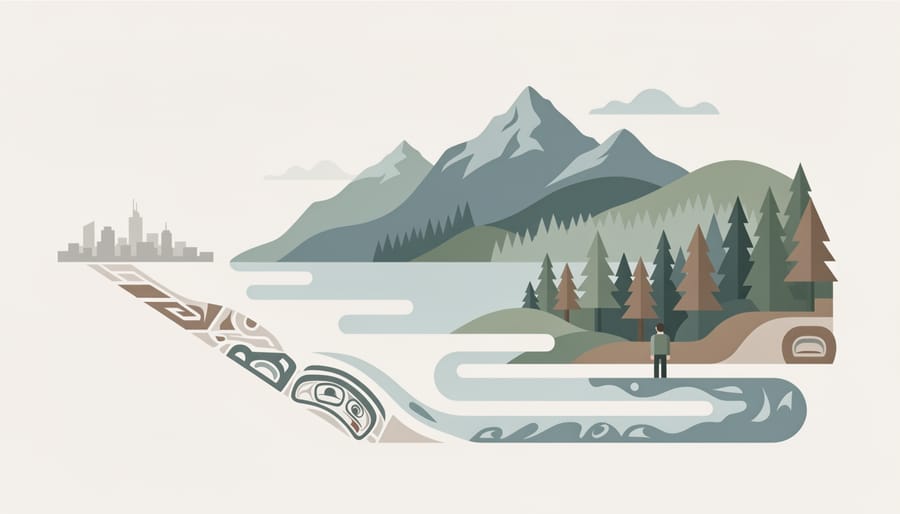
The spirit of Indigenous Peoples Day doesn’t have to end when the celebration does. In British Columbia, it can follow you onto the water, into a carving shed, and along a forest trail. Across the province, visitors can learn directly from the people whose families have cared for these places for thousands of years.
If you’re new to BC, a few terms help. “First Nations” is the widely used name for the many distinct Indigenous peoples of the province, each with its own language, laws and stories. “Aboriginal tourism” simply means travel experiences that are owned, operated or led by Indigenous communities. The variety is the point: a coastal Salish welcome and an interior Secwépemc teaching are different traditions, not versions of one.
The experiences themselves range widely. You might join a guided cultural tour led by a community member, paddle in a canoe journey while a skipper explains the route’s history, or watch an artist shape cedar into a carving and talk about the stories it holds. Many Indigenous-led nature excursions pair a walk with plant knowledge, traditional foods and teachings about caring for the land.
Mountains here carry meaning, too. The Black Tusk, a dark volcanic spire rising above the Garibaldi area, is a landmark with deep significance for the Squamish and Lil’wat peoples. Seeing it with that context changes how you look at it, much like exploring the wider British Columbia landscapes through an Indigenous lens.
To travel well, choose Indigenous-owned operators so your spending reaches communities directly. Book ahead, ask before taking photos, and buy art straight from the artist. Stay on marked trails and pack out what you bring. Done this way, your trip becomes an ongoing act of respect, which is the heart of the day itself.
Common Questions About Indigenous Peoples Day in LA
People often arrive at this topic with a handful of practical questions. Here are the ones that come up most, answered in plain terms.
What is Indigenous Peoples Day in LA, and who does it honor?
It’s an observance that honors the Indigenous peoples of the Los Angeles area, including the Tongva and neighboring nations, along with Native communities from across North America who live in the city today. It recognizes living cultures, not only the past.
How is it different from Columbus Day?
Columbus Day centers on a single explorer. Indigenous Peoples Day shifts the focus to the original peoples of this land, their histories, and their continuing contributions.
Can visitors attend, and how do I find current events?
Many gatherings welcome the public, though some ceremonies may be reserved for community members. Dates and programs change, so check official city, county, tribal, and cultural center channels rather than relying on a fixed schedule.
How can I take part respectfully?
Listen first, ask before taking photos, and follow the guidance of organizers and elders. Buying from Indigenous-owned vendors is a simple way to show support.
Respect doesn’t have to end when the day does. Supporting Indigenous artists, businesses, and cultural organizations throughout the year helps keep traditions strong. Travelers heading north can carry the same spirit into British Columbia, choosing Indigenous-led tours and experiences that benefit communities directly.
Indigenous Peoples Day in Los Angeles is more than a date on the calendar. It’s an invitation to listen first, to learn from the Tongva, Chumash and other nations who have cared for these lands since long before the city existed, and to see their cultures as living, evolving and present today.
That invitation doesn’t end when the drums go quiet. Check official city, tribal and cultural center sources for current gatherings, show up with curiosity, ask before you photograph, and spend your money with Indigenous artists, food makers and guides. Small choices like these turn respect into real support.
The same spirit travels well. In British Columbia, First Nations-led tours, canoe journeys, carving studios and guided walks offer a chance to hear stories told by the people they belong to. Choose experiences that benefit communities directly, tread lightly on the land, and carry the teachings home with you. That’s how a single day becomes a way of traveling.