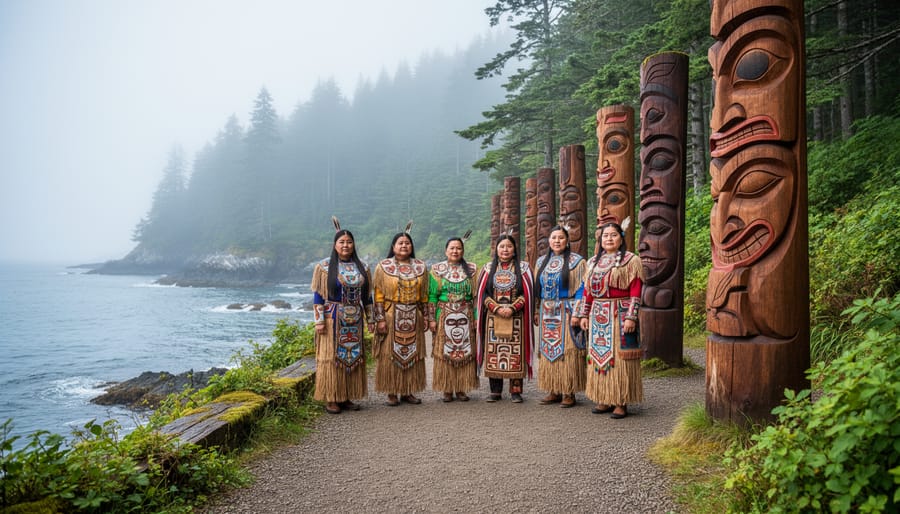
Indigenous peoples represent over 476 million individuals across 90 countries, comprising more than 5,000 distinct cultures, each with unique languages, spiritual practices, and ways of understanding the world. In British Columbia alone, over 200 First Nations communities maintain living traditions that stretch back more than 10,000 years, making the province one of the most culturally diverse indigenous regions on the planet.
These aren’t distant historical facts. When you visit British Columbia’s coastal communities, explore its interior plateaus, or paddle its waterways, you’re traveling through territories where indigenous peoples continue to practice their cultures, steward ecosystems using traditional ecological knowledge, and share stories that have guided generations. Understanding even a handful of foundational facts about indigenous peoples transforms how you experience these places, shifting a simple scenic visit into a deeper engagement with living cultures.
The five facts ahead go beyond surface-level trivia. They illuminate the diversity of indigenous languages, the sophisticated environmental practices that sustained thriving societies for millennia, the ongoing contributions to modern science and conservation, the legal frameworks that shape contemporary relationships between indigenous nations and governments, and the vibrant cultural renaissance happening right now across indigenous communities. Whether you’re planning your first visit to a First Nations cultural center or seeking to travel more respectfully through traditional territories, these insights provide the context needed to appreciate the depth and resilience of indigenous cultures.
Why These Five Facts Matter for Travelers
Understanding indigenous culture isn’t just about being polite, it fundamentally changes what you notice, what you appreciate, and how deeply you connect with British Columbia’s landscapes. These five facts were selected because they directly shape your travel experience: they help you recognize the cultural significance woven into every region you explore, from coastal rainforests to interior plateaus.
When you understand that BC is home to over 200 distinct First Nations, you’ll approach each territory with fresh eyes rather than generalizations. You’ll appreciate why Indigenous food traditions vary dramatically between coastal and interior communities, and why a cultural experience near Haida Gwaii differs entirely from one in the Okanagan. This knowledge empowers you to ask better questions, choose indigenous-led tourism experiences that genuinely support communities, and recognize the living culture thriving around you, not relics of the past, but dynamic traditions adapting to contemporary life while honoring ancestral wisdom.
1. British Columbia is Home to Over 200 Distinct First Nations, Each With Unique Languages and Traditions
When you explore British Columbia, you’re not encountering a single indigenous culture, you’re stepping into a mosaic of over 200 distinct First Nations, each stewarding their own languages, governance systems, and cultural practices shaped by the land they’ve inhabited for millennia. The term “indigenous peoples” in BC encompasses extraordinary diversity: from the Haida on storm-swept island archipelagos to the Secwepemc of the Interior Plateau, from coastal fishing societies to Interior hunting cultures, each nation developed worldviews intimately connected to their environment.
BC’s indigenous peoples speak languages from seven major language families, many with dozens of dialects. This linguistic diversity mirrors the province’s dramatic geography, rugged coastlines, temperate rainforests, alpine mountains, and arid plateaus each fostered distinct ways of life. Coastal nations built elaborate ocean-going canoes and developed sophisticated marine resource management, while Interior peoples became experts in seasonal migration patterns and land-based sustenance. These differences aren’t merely historical: they persist in contemporary cultural expressions, from food and culture wellness practices to art forms to governance structures.
Understanding which territories you’re traveling through matters immensely. Major nations you’ll encounter across BC regions include:
- Coast Salish peoples (Squamish, Tsleil-Waututh, Musqueam) in the Lower Mainland and southern coastal areas
- Haida Nation on Haida Gwaii, renowned for monumental carving traditions
- Kwakwaka’wakw along the northern Vancouver Island coast, known for potlatch ceremonies
- Secwepemc (Shuswap) across the Interior Plateau region
- Nlaka’pamux in the Fraser Canyon and Thompson River valleys
- Gitxsan and Wet’suwet’en in the northwestern Interior
When you visit a cultural center in Vancouver versus attending a feast house ceremony on Haida Gwaii, you’re experiencing entirely different nations with separate histories, protocols, and stories. Recognizing this diversity demonstrates respect and transforms your understanding from stereotype to genuine cultural engagement.
2. Indigenous Culture in BC Is Living and Evolving, Not Frozen in the Past
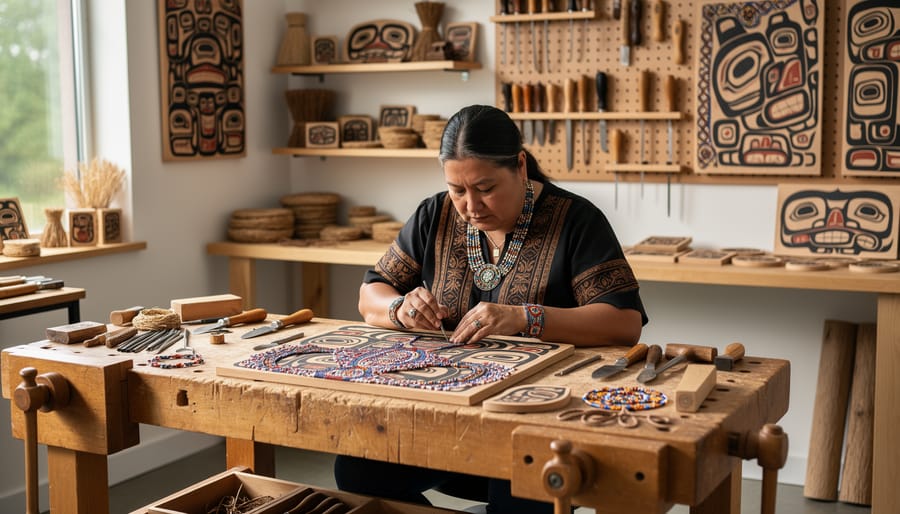
First Nations culture in British Columbia isn’t trapped behind glass in a museum. It’s alive in the galleries of Vancouver’s urban indigenous artists, in the tech startups run by Haida entrepreneurs, and in the cultural centers where elders teach language apps to teenagers. When you visit indigenous-led experiences in 2026, you’ll encounter tradition that’s been deliberately preserved and innovation that honors ancestral values, not a reenactment of the past.
Contemporary indigenous culture shows up everywhere, often where you don’t expect it. The Coast Salish artist whose designs wrap city transit buses studied both formline art with her grandmother and graphic design at Emily Carr University. The Tsilhqot’in-owned lodge where you stay uses solar power and reclaimed materials while maintaining protocols around sacred sites that stretch back millennia. Traditions evolve because they’re used, not because they’re abandoned.
What hasn’t changed is the relationship between indigenous peoples and the land that defines their identity. Modern First Nations still read BC landscapes and meaning in ways settlers often miss, a certain mountain signals salmon runs, specific plant blooms mark ceremony times. When indigenous guides lead you through territories shown on any BC parks map they’re sharing knowledge systems refined over thousands of years and still practiced today.
Expect cultural experiences in 2026 to feel authentic precisely because they’re current. You might attend a potlatch featuring EDM remixes of traditional songs, taste indigenous fusion cuisine pairing bannock with local ingredients, or join a canoe journey using fiberglass boats built to ancestral specifications. The culture is dynamic because it’s lived, not performed for tourists.
3. The Land Itself Holds Stories: Understanding Indigenous Place Names and Sacred Sites
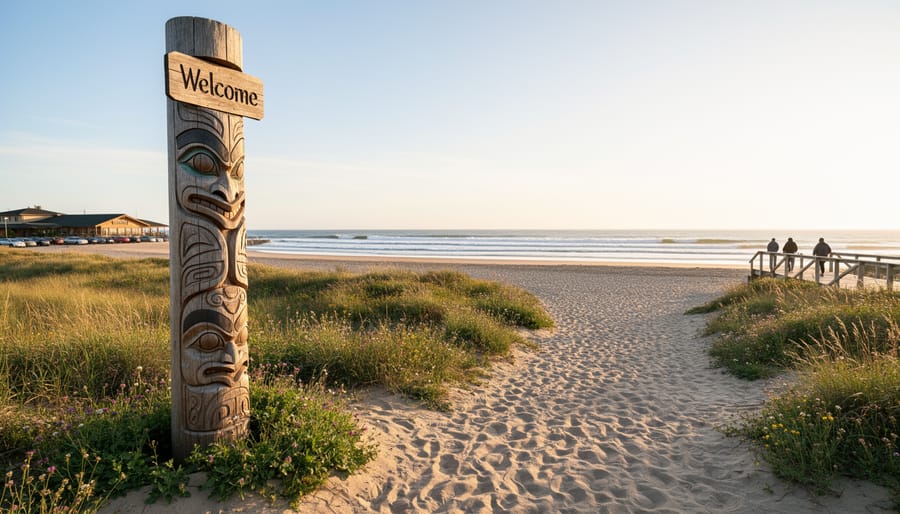
In indigenous worldviews, the land isn’t simply a backdrop for human activity, it is family, teacher, and archive of collective memory. Every mountain, river, and shoreline carries stories passed down through countless generations, creating a living map of cultural knowledge that predates written records by thousands of years.
When you encounter place names across British Columbia, you’re often reading this map. T’ít’q’et, Squamish, Ucluelet, Tofino, these aren’t quaint labels but encoded information about landscape features, resources, and events that shaped communities. The Squamish word “Siy̓ích’em” (now Stanley Park) translates to “inside the head,” describing the peninsula’s position at the harbor entrance. Recognizing these names acknowledges that indigenous peoples didn’t “discover” these places alongside European explorers; they had named, understood, and stewarded them for millennia.
Sacred sites add another dimension to this relationship with land. What might appear to visitors as simply a dramatic rock formation or quiet cove often holds ceremonial significance, marks a burial ground, or serves as a traditional gathering place. Black Tusk, the volcanic spire visible throughout the Sea-to-Sky corridor, carries the Squamish name “T’ak’t’ak mu’yin tl’a in7in’axa7en” (Landing Place of the Thunderbird). According to Squamish legend, the Thunderbird, a supernatural being whose wings created thunder and eyes flashed lightning, landed atop this peak, scorching it black. The story isn’t mere entertainment; it encodes geological knowledge about volcanic activity and teaches respect for powerful natural forces.
Understanding territorial stewardship transforms how you experience BC’s wilderness. First Nations didn’t simply inhabit the land, they actively managed it through controlled burns, selective harvesting, and seasonal movements that maintained ecosystem health. Those “untouched” forests and salmon-rich rivers you admire represent thousands of years of intentional care.
When you stand before a landscape in British Columbia, you’re looking at a library. Learning to read even a few words changes everything.
4. Aboriginal Tourism Supports Community Self-Determination and Economic Sustainability
When you book a kayak tour with a Squamish Nation guide or attend a traditional feast at a Haida-owned cultural center, your dollars do far more than purchase an experience. Aboriginal tourism in British Columbia creates direct economic opportunities that allow First Nations communities to control their own narratives, preserve their heritage, and build sustainable futures on their own terms.
The revenue from indigenous-led tourism flows directly back into the communities that create these experiences. Unlike conventional tourism where profits often leave the region entirely, aboriginal tourism operators invest in language revitalization programs, fund cultural education for youth, support elders who teach traditional practices, and maintain sacred sites. A guided tour through traditional territory with a Tsleil-Waututh Nation interpreter doesn’t just teach you about herring spawn cycles or cedar bark harvesting, it funds the very programs that keep this knowledge alive for the next generation.
This model of economic self-determination represents a tangible step toward reconciliation. For communities historically excluded from economic development decisions affecting their own territories, tourism offers a way to participate in BC’s economy while strengthening rather than compromising cultural identity. The profits from a Nuxalk cultural center or a Ktunaxa-led wildlife tour stay within the community, creating jobs that don’t require people to leave their territories and supporting initiatives the community itself prioritizes.
Identifying authentic indigenous tourism experiences matters because cultural appropriation remains a genuine problem. Some operators market “indigenous-style” experiences without indigenous ownership, consultation, or benefit sharing. Certified operators undergo verification that the business is at least 51% indigenous-owned, that cultural protocols are followed, and that knowledge shared has community permission. This distinction protects both cultural integrity and ensures your travel spending supports the communities whose stories you’re learning.
The economic impact extends beyond individual businesses. Successful aboriginal tourism strengthens community infrastructure, creates mentorship opportunities for indigenous youth interested in hospitality or guiding careers, and demonstrates to younger generations that cultural knowledge holds practical, modern value. When a young person sees their grandmother’s traditional plant knowledge form the basis of a profitable eco-tour, or watches their uncle’s carving skills attract international visitors, culture becomes future rather than past.
5. Protocols and Etiquette: How to Be a Respectful Visitor in Indigenous Spaces
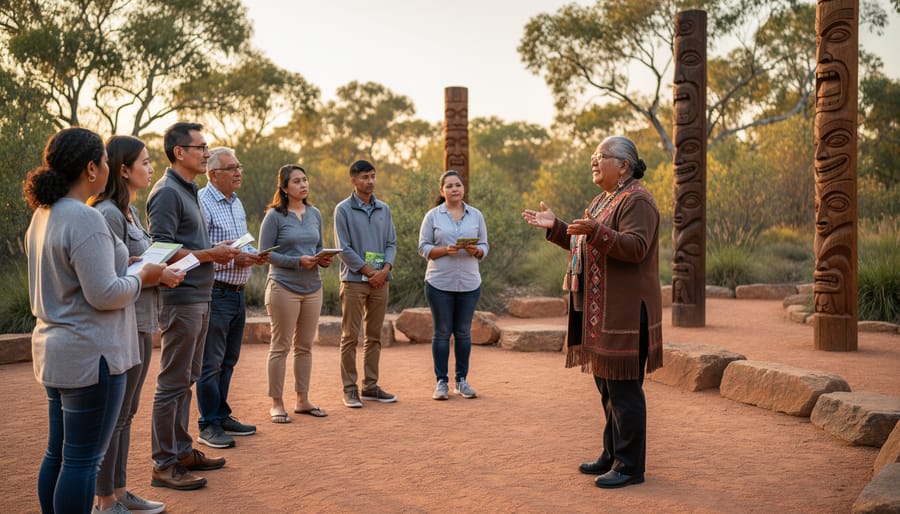
Visiting indigenous cultural sites and attending First Nations events in British Columbia comes with responsibilities that many travelers overlook. Understanding basic protocols transforms you from a passive observer into a welcomed guest who honors the living cultures you’re experiencing.
Photography rules vary significantly between communities and ceremonies. Some cultural events, particularly spiritual ceremonies or dances, prohibit photography entirely because the knowledge being shared holds sacred significance not meant for casual distribution. At public cultural centers and tours, always ask permission before photographing people, regalia, or art. If you’re told no, respect that boundary without pressing for explanations. Many communities view certain objects, dances, and stories as intellectual property that belongs to specific families or clans, not public domain.
When participating in cultural experiences, listen more than you speak. Elders and cultural guides determine what knowledge can be shared with visitors and what remains protected within the community. Questions about personal spirituality, detailed ceremony practices, or requests to participate in restricted activities cross boundaries. Instead, ask about publicly shareable topics: the significance of specific art forms, how communities are revitalizing languages, or recommendations for supporting indigenous businesses.
Basic protocols for respectful engagement:
- Wait for invitation before entering ceremonial spaces or touching cultural objects
- Turn off or silence phones during cultural presentations and storytelling
- Avoid wearing cheap imitations of indigenous regalia or sacred symbols
- Never refer to regalia as “costumes” or ceremonies as “performances”
- If offering gifts to hosts, tobacco or practical items are often appropriate, but ask guides beforehand
- Respect posted signs about restricted areas, even if they seem physically accessible
These protocols exist because indigenous communities balance welcoming visitors with protecting cultural integrity. When you’re unsure about appropriate behavior, asking your guide or host demonstrates respect. Most First Nations tourism operators expect questions and appreciate travelers who want to engage thoughtfully rather than assuming knowledge or acting entitled to access everything. Your willingness to learn these boundaries honors the trust communities extend by sharing their heritage with outsiders.
Commonly Asked Questions About Indigenous Peoples in British Columbia
Travelers preparing for indigenous experiences in British Columbia often share similar questions about terminology, protocols, and opportunities. Understanding these basics builds confidence for meaningful cultural exchange.
What’s the difference between Indigenous, Aboriginal, and First Nations?
Indigenous is the global term for original inhabitants, while Aboriginal is Canada’s constitutional term encompassing First Nations, Métis, and Inuit peoples. First Nations specifically refers to indigenous peoples in Canada who are neither Métis nor Inuit, and includes the 200-plus distinct nations in BC.
How can I learn about specific nations before visiting their territory?
Check the Indigenous Tourism BC website for nation-specific information, visit cultural centers in the region you’re exploring, or review territory acknowledgments which identify whose land you’re on. Many First Nations maintain their own websites detailing history, protocols, and visitor information.
Where can I experience authentic cultural celebrations in BC?
Look for events certified by Indigenous Tourism BC, attend public powwows and gatherings when invited, or visit established cultural centers like the Squamish Lil’wat Cultural Centre in Whistler. Always verify that celebrations are open to visitors before attending.
How does indigenous tourism support reconciliation?
Choosing aboriginal tourism experiences provides direct economic benefits to communities, funds cultural preservation and language revitalization programs, and creates opportunities for authentic storytelling. Your participation demonstrates respect and supports community self-determination.
These questions represent starting points rather than complete knowledge. The most valuable learning happens through respectful engagement with indigenous guides, cultural ambassadors, and community members who generously share their perspectives. Approach each experience with genuine curiosity, and recognize that every First Nation has unique protocols and traditions that deserve individual attention and respect.
These five facts aren’t just trivia, they’re the difference between observing British Columbia’s landscapes and truly experiencing them. When you understand that the mountains, forests, and coastlines around you hold generations of stories, that the communities you encounter are vibrant and evolving, and that your tourism choices directly support cultural survival, every trail hike and cultural visit gains deeper meaning.
Approaching indigenous experiences with genuine curiosity and respect opens doors to perspectives you won’t find in guidebooks. The protocols you’ve learned help you navigate cultural spaces confidently, while recognizing the diversity of BC’s First Nations prevents the oversimplifications that diminish rich traditions. This knowledge lets you ask better questions, appreciate the nuances of different communities, and understand why certain places and practices hold particular significance.
As you plan your BC adventures, actively seek out aboriginal tourism experiences certified by Indigenous Tourism BC. Whether you’re learning traditional fishing techniques on the coast, hearing creation stories beneath towering cedars, or browsing contemporary indigenous art in Vancouver, you’re participating in something larger than tourism. You’re contributing to economic reconciliation, helping preserve endangered languages, and building the cross-cultural understanding that benefits everyone. The landscapes will still be spectacular without this context, but with it, they become infinitely more alive.