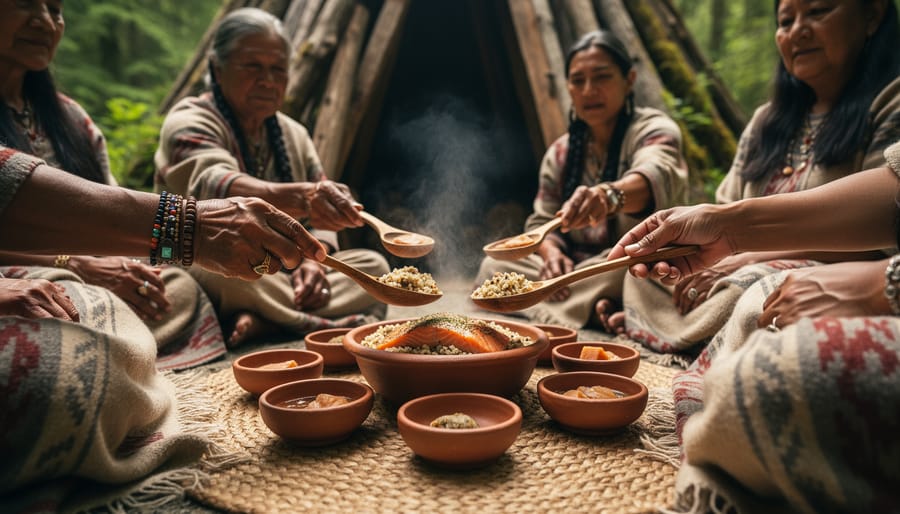
The Native Wellness Institute brings together indigenous food traditions and holistic wellness practices through custom training programs delivered by skilled Native consultants from across the United States and Canada. Founded on the understanding that traditional food knowledge carries profound healing power, the institute offers both online Zoom sessions and onsite trainings that reconnect participants with ancestral wisdom about nourishment, community, and balance.
For travelers planning to visit British Columbia and explore indigenous cultural experiences, the institute represents a deeper dimension of wellness tourism. This goes beyond sampling bannock or attending a salmon ceremony. It’s about understanding how First Nations peoples have cultivated physical, mental, emotional, and spiritual health through their relationship with food for thousands of years.
The institute’s approach honors the knowledge keepers who have preserved these practices through generations of colonization and cultural disruption. Each training session weaves together storytelling, practical application, and indigenous pedagogies that center community rather than individual achievement. You won’t find generic wellness advice repackaged with indigenous aesthetics here. These programs are designed and delivered by Native trainers who carry lived experience and cultural authority.
Monthly online trainings run on Pacific Time Zone scheduling, typically structured in morning, midday, and afternoon sessions with built-in breaks that respect natural rhythms rather than corporate productivity demands. Organizations seeking custom trainings can request quotes through the institute’s online form, opening pathways for schools, health centers, tourism operators, and community groups to integrate indigenous wellness perspectives into their work.
The 2026 programming continues this mission of cultural reclamation and education, recognizing that food sovereignty and wellness remain inseparable in indigenous worldviews.
The Native Wellness Institute: Bridging Tradition and Healing
The Native Wellness Institute stands at the crossroads of ancestral knowledge and contemporary healing, creating pathways for indigenous communities to reclaim wellness through cultural practices that have sustained generations. Founded on the principle that true health cannot be separated from cultural identity, the institute serves as both a gathering place for indigenous wisdom-keepers and a bridge connecting communities across North America to their traditional healing practices.
What sets this organization apart is its network of highly skilled Native trainers and consultants spanning the United States and Canada, each bringing deep expertise rooted in their own cultural traditions. Rather than imposing a one-size-fits-all approach, the institute honors the diversity of indigenous nations while recognizing common threads, the understanding that wellness encompasses physical, mental, emotional, and spiritual dimensions, all woven together through relationship with land, food, and community.
Wellness emerges not from isolated interventions but from the restoration of food systems, ceremonies, and relationships that have always been the foundation of indigenous health.
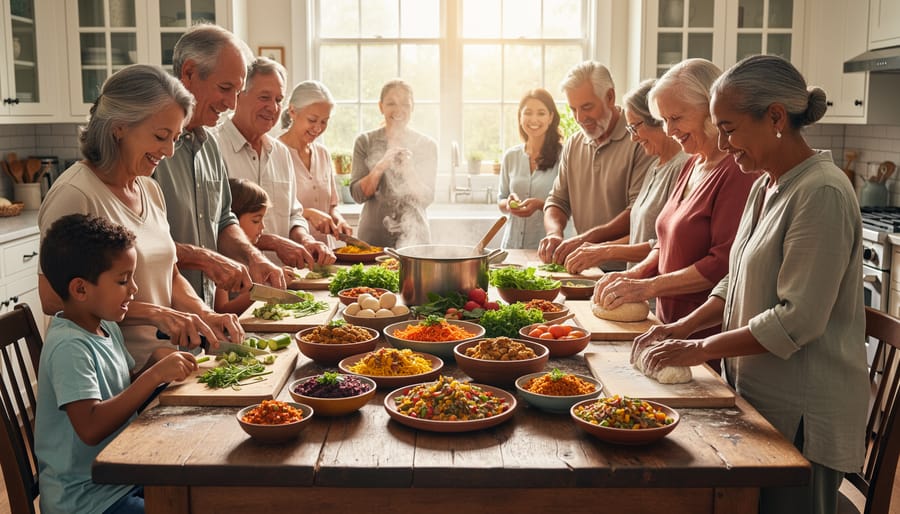
This philosophy shapes every aspect of the institute’s work. Food sovereignty sits at the heart of their approach, recognizing that access to traditional foods goes beyond nutrition to encompass cultural continuity, ceremony, and the healing of historical trauma. When communities gather to harvest salmon or prepare ancestral recipes, they’re not simply eating, they’re reclaiming identity, passing knowledge between generations, and rebuilding the relationships that colonization sought to sever.
The institute designs custom onsite or online trainings tailored to specific community needs, alongside monthly Zoom-based sessions that extend their reach beyond geographical boundaries. This flexibility allows them to meet communities where they are, whether that’s a remote First Nation working to revive traditional food practices or an urban organization seeking to integrate indigenous wellness perspectives. All trainings operate on Pacific Time, with a thoughtfully structured schedule that includes morning, afternoon, and late-afternoon sessions punctuated by generous breaks, an approach that honors sustainable learning rather than extractive education models.
Native Food Wisdom: The Foundation of Wellness
Traditional Foods as Cultural Medicine
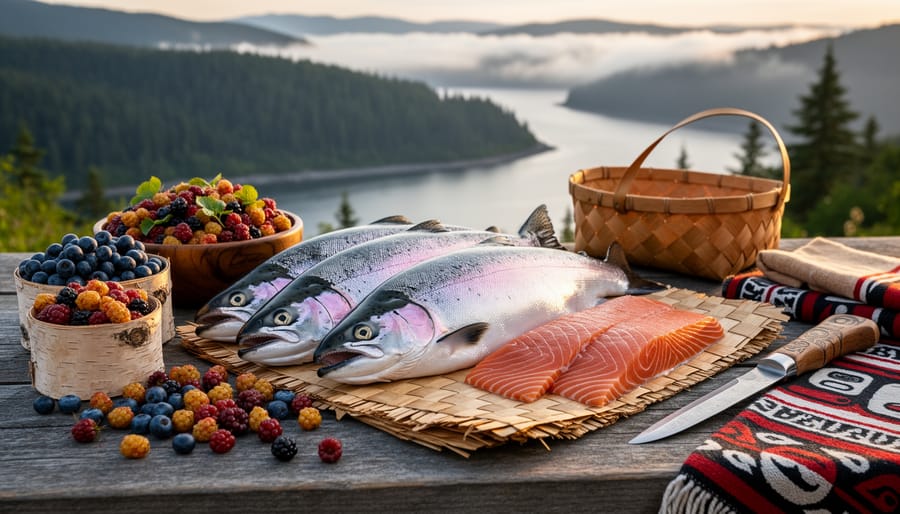
For countless generations, the first salmon ceremony has marked the return of spring runs, a sacred practice where communities honor the salmon’s gift with prayers, songs, and gratitude before the first catch is prepared and shared. This ceremony isn’t simply ritual; it reinforces the reciprocal relationship between people and their food sources, teaching respect and sustainable harvest practices that sustain both fish populations and community bonds. The physical nourishment from omega-rich salmon combines with spiritual renewal and cultural continuity, demonstrating how traditional foods function as medicine for body, mind, and spirit simultaneously.
Berry gathering follows similar patterns of holistic wellness. Women and children traditionally gather huckleberries, salmonberries, and other native fruits during late summer, learning plant identification, sustainable harvesting techniques, and preparation methods passed through generations. These gathering expeditions strengthen family connections, transmit ecological knowledge, and provide nutrient-dense foods rich in antioxidants and vitamins. The physical activity of harvesting, combined with time spent in ancestral territories and the sharing of stories during preparation, creates healing that extends far beyond nutritional value.
Traditional root foods like camas and wild onions require specialized knowledge of harvest timing, pit-cooking techniques, and ceremonial protocols. This ancestral foods and wellness wisdom addresses not just hunger but creates opportunities for elders to teach youth, for communities to gather cooperatively, and for people to maintain living connections to their territories. The labor-intensive preparation methods build patience and community cooperation while producing foods that sustained ancestors through harsh seasons.
Food Sovereignty and Community Healing
Food sovereignty represents far more than access to traditional foods, it’s a pathway to reclaiming cultural identity and healing collective trauma rooted in generations of forced separation from ancestral lands and practices. When indigenous communities restore their traditional food systems, they reconnect with knowledge systems that sustained their ancestors for thousands of years, strengthening both individual wellness and community bonds.
The deliberate disruption of indigenous food practices through residential schools, forced relocations, and environmental destruction created cascading health impacts that persist today. Reclaiming these systems addresses not just nutritional needs but also the spiritual and emotional wounds of cultural suppression. Growing heritage crops, reviving fishing and hunting traditions, and restoring ceremonial food practices become acts of resistance and renewal.
Contemporary revival efforts face real obstacles, from contaminated traditional gathering sites to legal barriers around hunting and fishing rights, yet communities across North America persist. Youth learning from elders to smoke salmon, families returning to seasonal gathering camps, and nations reclaiming ancestral food lands demonstrate resilience. These initiatives create spaces where traditional knowledge flows between generations, where the connection to nature in BC and beyond becomes tangible, and where food once again serves its role as cultural teacher and community healer.
Training Programs: Learning Paths to Wellness
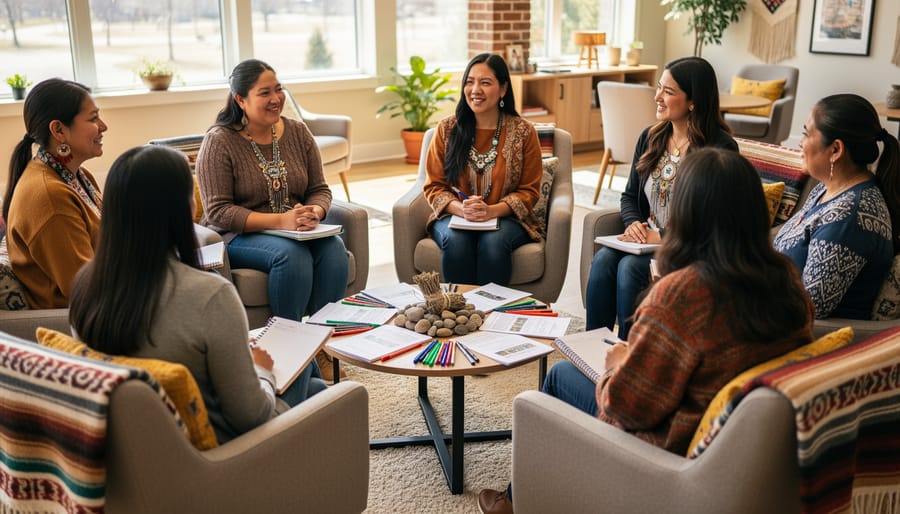
Custom Community Trainings
The institute’s custom training programs offer communities and organizations the opportunity to design wellness education that speaks directly to their unique needs and circumstances. Whether delivered onsite or through online platforms, these tailored sessions bring together highly skilled Native trainers and consultants from across the United States and Canada to address the specific wellness topics your group identifies as most pressing.
This flexibility means a tribal health department might request programming focused on traditional food systems and nutrition, while a school district could emphasize cultural connection and youth wellness. Non-profit organizations serving indigenous populations can shape trainings around grief work, historical trauma, or community healing practices. The collaborative design process ensures each custom training honors your community’s specific cultural context and wellness priorities.
To explore custom programming, organizations fill out an online training request form detailing their needs, group size, and preferred format. The institute responds with a personalized quote that reflects the scope and duration of your requested training, making it straightforward to budget and plan for this investment in community wellness.
Monthly Online Learning Opportunities
The institute’s monthly Zoom trainings create accessible pathways for individuals and organizations across North America to engage with indigenous wellness teachings without geographic barriers. These virtual sessions gather participants from diverse communities, united by interest in culturally-grounded approaches to health and healing.
Sessions follow a mindful structure designed around Pacific Time, with morning gatherings from 9:00 am to 11:00 am, midday sessions from 12:00 pm to 2:00 pm, and late afternoon teachings from 3:00 pm to 4:00 pm. Between these learning blocks, participants receive generous breaks, a full hour from 11:00 am to 12:00 pm and another from 2:00 pm to 3:00 pm, that honor the need for rest and reflection rather than pushing toward exhaustion.
This rhythm acknowledges that deep wellness learning can’t happen when participants feel drained. The breaks allow time to step away from screens, process what’s been shared, and return to teachings with renewed presence. Whether joining from a community organization in rural Canada or an urban wellness center in the United States, participants experience the same respectful pacing that values sustainable engagement over cramming information into compressed timeframes.
Specialized Wellness Workshops
Among the institute’s focused offerings, the Moving Through Grief and Loss training stands out as a transformative two-day intensive. This workshop exemplifies how Native wellness education honors the sacred place grief holds in indigenous cultures while providing practical pathways through loss. Rather than treating grief as a problem to solve, the program approaches it through traditional understanding: as a natural journey deserving ceremony, community support, and time-honored healing practices.
The workshop weaves indigenous perspectives on death, mourning, and remembrance with contemporary trauma-informed approaches. Participants explore how traditional foods, storytelling, and seasonal ceremonies have always helped communities carry grief collectively rather than in isolation. The $249 registration reflects the deep work involved, spanning the institute’s full daily schedule to create space for reflection and healing.
These specialized workshops demonstrate the institute’s gift for making ancient wisdom accessible. Whether addressing loss, cultural disconnection, or historical trauma, each program roots modern wellness frameworks in the timeless practices that have sustained indigenous communities through centuries of change.
What to Expect: Experiencing Native-Led Wellness Education
Stepping into a Native Wellness Institute training means entering a learning space designed around indigenous values of balance, respect, and community connection. Rather than the rushed pace common in many modern workshops, these sessions honor the natural rhythms of learning and reflection that traditional knowledge-holders have practiced for generations.
The teaching approach centers on storytelling and lived experience rather than academic lectures. Native trainers share wisdom passed down through their communities, weaving together personal narratives, cultural teachings, and practical applications. This isn’t passive information delivery; participants engage in dialogue, share their own experiences, and build connections with fellow learners. The community-centered model recognizes that wellness grows through relationship and shared understanding, not isolated individual work.
The institute structures its sessions with sustainability at their core. A typical training day follows a rhythm that prevents the burnout so common in intensive learning environments:
| Session Period | Time (Pacific) | Purpose |
|---|---|---|
| Morning Session | 9:00 AM – 11:00 AM | Primary learning and teaching |
| Midday Break | 11:00 AM – 12:00 PM | Rest and reflection |
| Afternoon Session | 12:00 PM – 2:00 PM | Deepening and practice |
| Second Break | 2:00 PM – 3:00 PM | Integration time |
| Late Session | 3:00 PM – 4:00 PM | Closing and synthesis |
These generous break periods honor the indigenous understanding that rest and processing time are essential to genuine learning. The schedule acknowledges that transformation can’t be rushed, whether you’re participating from home via Zoom or attending a community gathering.
For travelers preparing to explore BC‘s indigenous territories, these trainings offer invaluable preparation. You’ll develop cultural awareness and respectful engagement skills that enrich every subsequent encounter with First Nations communities across the province.
Planning Your Wellness Journey: Practical Information
Getting started with the Native Wellness Institute requires only a few straightforward steps, whether you’re an individual seeking personal growth or an organization looking to support your community’s wellness. The institute’s accessible approach removes barriers while maintaining the cultural depth that makes these teachings transformative.
For custom trainings tailored to your community or organization’s specific needs, begin by filling out the online training request form on the institute’s website. This form helps coordinators understand your goals, preferred topics, and whether you’d like an onsite or online format. You’ll receive a personalized quote that reflects the scope and duration of your proposed program. This flexibility allows groups across North America to access Native-led wellness education regardless of location.
Monthly public workshops offered via Zoom provide another entry point, particularly for individuals who want to experience these teachings before committing to larger programs. The Moving Through Grief and Loss training, for example, spans two days with a registration fee of $249. All sessions follow Pacific Time Zone scheduling, with a thoughtful rhythm: morning sessions from 9:00 am to 11:00 am, midday sessions from 12:00 pm to 2:00 pm, and late afternoon sessions from 3:00 pm to 4:00 pm. Generous breaks between sessions give you time to reflect and integrate new insights without burnout.
Preparing for these trainings means approaching them with openness and respect. Come ready to listen, reflect, and engage with concepts that may differ from mainstream wellness approaches. If you’re planning to couple this learning with a BC travel journey consider scheduling training before or after exploring British Columbia landscapes. The teachings you receive will deepen your appreciation for the indigenous communities whose territories you visit, creating a more meaningful connection to the land and its original stewards.
Connecting to British Columbia’s Indigenous Wellness Network
The Native Wellness Institute’s reach across Canada creates meaningful connections to British Columbia’s vibrant indigenous wellness and cultural tourism landscape. While the organization serves communities throughout North America, its presence in Canada, with trainers and consultants working alongside First Nations from coast to coast, positions it as part of the broader network that travelers encounter when exploring BC’s aboriginal tourism offerings.
Participating in the institute’s trainings provides travelers with a foundational understanding that transforms how they experience British Columbia’s indigenous communities. When you’ve engaged with teachings about traditional foods as medicine, you’ll recognize the profound significance behind a salmon ceremony or understand the careful stewardship reflected in a guided berry-picking experience with a First Nations guide. The trainings reveal the intricate relationships between food, land, ceremony, and wellness that shape daily life in indigenous communities across the province.
This knowledge enriches every aspect of aboriginal tourism in British Columbia. A cultural feast becomes more than a meal; it’s a living expression of food sovereignty and cultural continuity. A visit to a longhouse or participation in a traditional practice carries new meaning when you understand the healing dimensions and community connection these experiences represent. You’ll approach indigenous-led tours and cultural encounters with greater awareness of the resilience, wisdom, and ongoing cultural restoration work that shapes contemporary First Nations life.
The institute’s emphasis on sustainability and cultural preservation mirrors the values driving BC’s indigenous tourism sector, where many First Nations communities share their heritage to support both economic wellness and cultural continuity. By engaging with these trainings, travelers become more than visitors, they become respectful participants in a larger movement to honor and sustain indigenous knowledge systems.
The Native Wellness Institute stands as living proof that the most powerful healing draws from the oldest wisdom. By placing traditional food practices at the center of their work, they remind us that wellness isn’t just an individual pursuit, it’s a cultural inheritance, a community responsibility, and a bridge between generations.
When you participate in these trainings, you’re doing more than learning about indigenous approaches to health. You’re becoming part of a larger movement to preserve knowledge that sustained communities for thousands of years before modern wellness trends existed. Each workshop, whether focused on food sovereignty or grief healing, carries forward teachings that might otherwise be lost.
The path forward requires both learning and action. Consider requesting a custom training for your organization or joining one of their monthly online sessions. If you’re planning to explore British Columbia’s indigenous communities, arrive with knowledge earned through these educational experiences. You’ll see the landscape differently, understand the cultural significance of traditional foods more deeply, and engage with communities from a place of informed respect rather than surface curiosity.
Supporting indigenous-led wellness initiatives isn’t charity, it’s recognizing that these communities hold answers to questions our modern world desperately needs to ask. The Native Wellness Institute offers you the chance to listen, learn, and carry these teachings forward in your own journey toward wholeness.